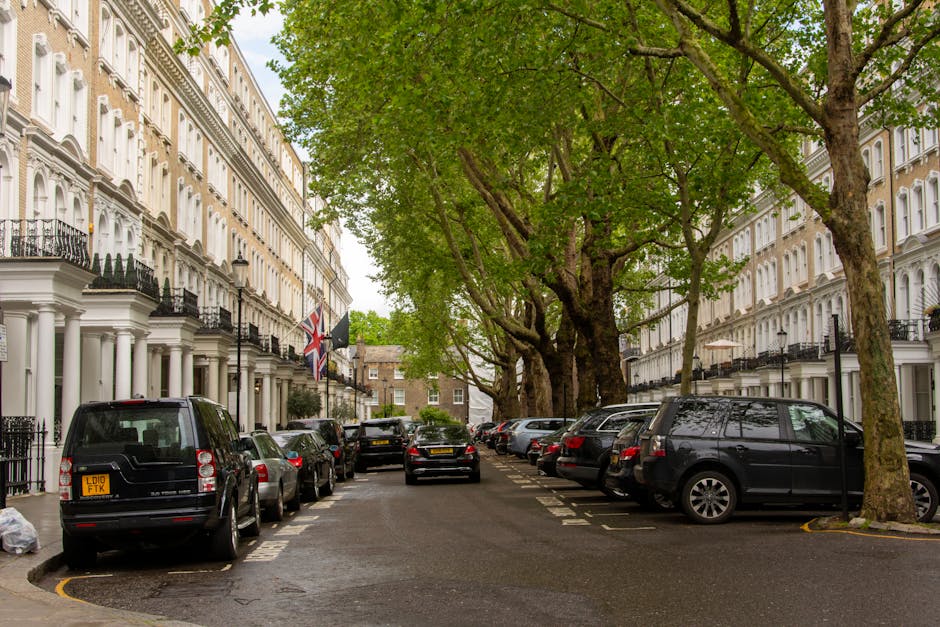
Belgravia apartment removals with parking permit help: a practical guide for smooth central London moves
Moving out of an apartment in Belgravia can feel deceptively simple until the lorry arrives and the street starts doing what London streets do best: getting in the way. Belgravia apartment removals with parking permit help are designed to take that pressure off. The right plan gives you legal stopping arrangements, less carrying distance, fewer delays, and a calmer moving day overall.
If you are dealing with a basement flat, a fourth-floor walk-up, a narrow mews road, or a building with strict concierge rules, you already know the challenge. In this guide, we will walk through how the process works, what to expect, what can go wrong, and how to make the whole thing feel a lot less like organised chaos. Because let's face it, nobody wants to spend moving day circling the block and negotiating with a van that cannot quite stop where it needs to.
For readers comparing service levels, it may also help to understand the broader options available, from flat removals to man and van support, depending on the size and complexity of the move. The best choice is rarely just about the truck. In Belgravia, access planning often matters just as much.
Table of Contents
- Why Belgravia apartment removals with parking permit help matters
- How Belgravia apartment removals with parking permit help works
- Key benefits and practical advantages
- Who this is for and when it makes sense
- Step-by-step guidance
- Expert tips for better results
- Common mistakes to avoid
- Tools, resources and recommendations
- Law, compliance, standards, or best practice
- Options, methods, or comparison table
- Case study or real-world example
- Practical checklist
- Conclusion
- Frequently asked questions
Why Belgravia apartment removals with parking permit help Matters
Belgravia is beautiful, orderly, and famously not forgiving when a vehicle blocks the wrong space. That is exactly why parking permit help matters so much. A removal team may be efficient, but if the van cannot legally or safely get close enough to the entrance, the move slows down straight away. Boxes wait on pavements, sofa legs get awkward, and the clock starts ticking in the background.
Parking in central London is rarely just a convenience issue. It affects loading distance, building access, the number of trips needed, and even whether the move can stay on schedule. In apartment moves, those details often decide whether the day feels organised or completely frantic. In our experience, the difference between a smooth move and a stressful one is often a simple bit of advance parking planning.
This is especially true in Belgravia, where you may have narrow roads, controlled parking bays, resident permit areas, loading restrictions, concierge-managed buildings, and high-value interiors that need careful handling. A permit-backed plan means the vehicle is where it needs to be, when it needs to be there. That reduces handling risk and helps protect furniture, hallways, and the people doing the lifting.
There is also a trust factor. When a moving company understands local access conditions and knows how to plan around them, it shows. It tells you they are not just sending a van; they are managing the move as a whole. That is the kind of practical competence you want in a busy area like Belgravia.
How Belgravia apartment removals with parking permit help Works
At a simple level, parking permit help means the removals team or organiser arranges the parking side of the move so the vehicle can load and unload as efficiently as possible. The exact approach depends on the street, the timing, the building rules, and local parking controls. Some moves need a loading bay. Some need temporary parking permission. Others require careful timing around restriction windows.
The process usually starts with checking the pickup and delivery addresses. A good removals provider will want to know the postcode, the road layout, the floor level, lift access, stair width, whether there are waiting restrictions, and whether any permits or notices are needed in advance. That information matters more than people expect. A lovely-looking apartment can still be a nightmare to move out of if the van has to park three streets away.
From there, the move is planned around the most realistic access method. That might mean using a smaller vehicle, scheduling the loading time for an allowed window, or requesting parking support where appropriate. If the building has a concierge, the team may also need to coordinate with them before arrival. A quick phone call the day before can save a surprisingly large headache the next morning.
For more involved household moves, many people also combine permit planning with packing and unpacking services or a more complete home moves package. That can make sense if you are short on time or moving out of a furnished apartment with fragile items.
A realistic move-day flow
- Confirm the move date and access details.
- Check whether parking permission, loading access, or permit support is needed.
- Plan the van size and arrival window.
- Prepare the items, lift access, and hallway route.
- Load efficiently, with the vehicle parked as close as legally possible.
- Unload at the destination with the same access planning in mind.
That sounds straightforward, and sometimes it is. But in London, straightforward is often the result of doing a dozen small things properly beforehand.
Key Benefits and Practical Advantages
The main benefit is simple: less friction on moving day. But there is more to it than that.
- Shorter carrying distance: When the van can stop close by, there is less time spent walking furniture through tight shared spaces.
- Lower risk of damage: Fewer lifts, fewer turns, fewer chances of knocking walls or door frames.
- Better timekeeping: Parking problems are one of the easiest ways to lose half an hour or more.
- Less stress for residents and neighbours: Nobody enjoys seeing a mover trying to improvise outside a controlled street.
- Safer handling for heavy items: Sofas, wardrobes, and white goods are much easier to manage with close access.
- Clearer planning: Knowing the access plan helps everything else fall into place, including packing order and crew size.
There is also a quieter benefit that people notice only after the move: energy. A move with poor parking access can leave everyone worn out before the heavy work even begins. When the van is properly positioned, the team spends less time improvising and more time actually moving your things. That matters.
If you are comparing service types, a dedicated removals approach often beats a casual, last-minute arrangement for apartment work. A properly planned removal services booking can be especially useful where building access is tight or permit timing is sensitive.
| Approach | Best for | Main advantage | Possible drawback |
|---|---|---|---|
| Permit-supported apartment removal | Belgravia flats, controlled streets, limited loading space | Closest possible legal access | Needs advance planning |
| Standard van hire | Simple moves with easy street access | Flexible and often familiar | May struggle with parking restrictions |
| Full-service removals | Busy households, larger flats, fragile items | Less work for the customer | Usually costs more than a basic van-only option |
Who This Is For and When It Makes Sense
This kind of service is most useful for people moving from or to an apartment where access is likely to be restricted. That includes residents in mansion blocks, purpose-built flats, conversions, and apartments on streets with controlled bays or time-limited loading rules.
It is a smart fit if any of the following apply:
- You live on a busy central London road and cannot realistically leave a vehicle outside all day.
- Your building requires advance notice for removals.
- You have large furniture that cannot be carried far without risking damage.
- You are moving on a weekday and need to work around traffic and local restrictions.
- You want the move handled with minimal disruption to neighbours or concierge staff.
It also makes sense if you are moving at short notice. Truth be told, same-week moves in London can become a bit of a scramble. In that situation, having a team that understands parking and access planning can save a lot of back-and-forth. If you need the move done quickly, same-day removals may be worth considering, but only if access details are confirmed early.
For smaller moves, especially one-bedroom apartments or studio flats, a compact vehicle may be enough. For larger homes or multi-room apartments, a bigger plan is often better. If you are unsure, start by thinking about the building first and the belongings second. Oddly enough, the staircase tells the truth faster than the inventory does.
Step-by-Step Guidance
Here is a practical way to organise the move without missing the parking side of it.
1. Confirm your building and street access
Start with the basic facts: floor level, lift availability, entrance width, bay restrictions, and whether the street allows loading at your chosen time. If the building has a porter or concierge, check whether they need advance notice. It sounds obvious, but people forget this all the time.
2. Give the removals team precise details
Do not just say "Belgravia flat." Say where the property is, what kind of vehicle might fit, and whether there are any awkward corners, steps, or limited stopping points. If the team knows the setup early, they can plan properly. A vague description usually leads to a vague plan, which is not ideal on move day.
3. Agree the van size and arrival window
Sometimes a smaller van is better than a larger one because it is easier to position legally and safely. Other times, a larger van means fewer trips. There is no universal answer. It depends on your items, the road, and the time restrictions. That is why a site-aware approach matters.
4. Prepare items for fast loading
Have the essentials ready first: boxed items, dismantled furniture, protective wrapping, and a clear walkway. The more organised your items are, the less time the vehicle needs to stay parked. That can make a real difference in places where stopping time is tight.
5. Keep building communication open
If your building expects advance notice, make sure it gets it. If the concierge wants identification or a move-in/out window, sort that early. A friendly heads-up goes a long way. It also avoids the awkward moment when a truck arrives and everyone suddenly looks surprised.
6. Do a final access check on the day
Even with planning, London can throw in a surprise roadworks sign or a busy delivery bay. Before the crew starts lifting, confirm that the vehicle is in the right place, the route is clear, and the entrance is usable. Five minutes here can save twenty later.
Expert Tips for Better Results
A few small decisions can make a big difference. Nothing glamorous, just the kind of practical thinking that keeps a move from drifting off the rails.
- Photograph the street and entrance in advance. A couple of quick photos can help the removals team judge vehicle access and turning space.
- Measure bulky items before move day. Wardrobes, mattresses, and sofas are the usual troublemakers.
- Plan for the weather. A wet London morning changes everything, especially where boxes and stairs are involved.
- Keep your parking details in one place. Reference numbers, building contacts, and access notes should not be buried in old emails.
- Pack an essentials bag separately. It keeps passports, chargers, medication, and snacks easy to reach. Yes, snacks. Moving day is not the time to be heroic.
If your apartment contains fragile or high-value pieces, ask how they will be protected during the loading stage. Sometimes the real danger is not transport, but the short trip between the front door and the vehicle. That short trip is where most bumps happen.
And one more thing: if you are moving from a top-floor apartment with no lift, be honest about it from the start. A crew can plan for stairs. What they cannot plan for is surprise stairs. Nobody likes surprise stairs.
Common Mistakes to Avoid
Most problems in Belgravia apartment removals are not dramatic. They are small, ordinary oversights that snowball.
- Leaving parking planning too late. By the time the truck arrives, the best stopping place may already be taken.
- Underestimating access restrictions. A street that looks fine online may be much tighter in person.
- Forgetting building rules. Some blocks require move bookings, lift protection, or pre-approval.
- Choosing a vehicle without checking street suitability. Bigger is not always better.
- Not sharing floor or stair information. This affects crew size, timing, and manual handling.
- Leaving packing incomplete. Last-minute boxes slow the whole job down.
The biggest mistake, though, is assuming parking is a side issue. In this part of London, it is often the backbone of the move. Get that part right, and a lot of the rest becomes much easier.
Tools, Resources and Recommendations
You do not need a mountain of equipment to move well, but a few sensible tools help enormously.
- Sturdy boxes and tape: basic, yes, but still essential.
- Protective wrapping: useful for mirrors, art, and wooden surfaces.
- Furniture blankets: these protect edges and reduce scuffs during carrying.
- Trolley or sack truck: valuable for heavier loads where access allows.
- Labels and markers: nothing fancy, just clear labels so boxes go to the right room.
On the service side, it can help to compare a few related options depending on your needs. For a straightforward flat move, flat removals may be enough. For one-off bulky items, furniture removals or furniture pick-up may fit better. If you are moving contents into temporary holding, storage can reduce pressure and give you breathing room.
For people who want a budget-conscious option for a small apartment, it may be worth comparing removal van support with a broader removal truck hire setup. The right choice depends less on branding and more on access, volume, and timing.
Law, Compliance, Standards, or Best Practice
Parking and loading arrangements in Belgravia should always be treated carefully and lawfully. The exact rules depend on the street, the local parking controls, and any building-specific requirements. Rather than guessing, it is best to verify the access conditions before the move.
Good practice usually means:
- staying within permitted loading or stopping areas;
- avoiding obstruction of pavements, driveways, and emergency access routes;
- following any booking or notification rules set by the building;
- protecting shared areas such as lifts, hallways, and entrances;
- making sure the moving team is insured and working safely.
Safety matters too. A moving team should use sensible manual handling methods, protect the property, and keep risk low for residents and passers-by. If you want to understand how a provider approaches this side of the job, review their insurance and safety information and, if needed, their health and safety policy. Those pages are not just paperwork. They tell you how seriously the company takes the job.
It is also worth checking the terms and conditions and payment and security details before confirming anything. Clear terms reduce misunderstandings, especially when access restrictions could affect timing or service scope.
Options, Methods, or Comparison Table
If you are not sure which type of move support suits your situation, this simple comparison may help.
| Service style | Best suited to | Parking permit help needed? | Notes |
|---|---|---|---|
| Man and van | Small apartment moves, a few rooms of furniture | Often yes in Belgravia | Good for flexibility, but access must be checked carefully |
| Flat removals | Typical apartment relocations | Usually yes | A balanced option for most residents |
| Full home moves | Larger households or combined contents | Very often yes | Better for more complex moves or higher item volumes |
| Same-day support | Urgent moves or changing plans | Sometimes critical | Only works well if access details are confirmed fast |
The right method is rarely the cheapest-looking one on paper. It is the one that fits the building, the street, the amount of furniture, and the time you actually have. In practical terms, a slightly more organised service often ends up feeling cheaper because it avoids delays and damage.
Case Study or Real-World Example
Imagine a two-bedroom apartment in Belgravia with a shared entrance, a narrow road, and a basement storage room full of awkward extras. The resident wants to move on a Friday morning before lunchtime, partly because of work and partly because Friday afternoons in London can feel like everyone has decided to drive at once.
Instead of turning up and hoping for the best, the move is planned in stages. The building manager is notified. The van size is checked against the street. The largest furniture is dismantled in advance. Boxes are labelled by room. Parking permission or the closest legal stopping arrangement is arranged ahead of time.
On the day itself, the team arrives, parks as close as allowed, and starts with the heavy items while the route is clear. Because the access plan is sorted, the crew is not wasting time re-parking or carrying items too far. The client notices something quite ordinary but lovely: the hallway stays tidier, the move feels calmer, and the whole job finishes more or less on schedule.
That is what good planning buys you. Not magic. Just fewer avoidable problems.
Practical Checklist
Use this before move day. It keeps the parking side from slipping through the cracks.
- Confirm full pickup and delivery addresses.
- Check whether the street has parking restrictions or loading rules.
- Ask the building about move-in or move-out procedures.
- Share floor level, lift access, and stair details.
- Measure large furniture and note anything unusually heavy or fragile.
- Arrange packing materials early.
- Label boxes clearly.
- Prepare any permits, notifications, or access references needed.
- Keep phone numbers for the building contact and moving team handy.
- Set aside essentials for the first night.
Expert summary: In Belgravia, a successful apartment move is usually won before the first box is lifted. Get the access plan right, confirm parking arrangements early, and the rest of the day tends to feel far more manageable.
Conclusion
Belgravia apartment removals with parking permit help are about more than avoiding a parking ticket or saving a few steps. They are about reducing stress, protecting your belongings, respecting the street environment, and making a busy day feel controlled. When the access plan is handled properly, the move stops being a guessing game.
Whether you are relocating from a compact flat, a large apartment, or a home with a tricky loading area, the smartest next step is to check access early and choose a service that understands central London realities. A little planning here goes a long way. Honestly, it makes the whole thing feel less like a battle and more like a well-run change of address.
Get a free quote today and see how much you can save.
And if you are still at the planning stage, that is perfectly fine. Take it one step at a time, keep the access details clear, and the move can be far smoother than you expect.
Frequently Asked Questions
What does parking permit help mean for an apartment move in Belgravia?
It means the moving plan includes help with arranging or coordinating legal parking or loading access so the vehicle can get as close as possible to your apartment without causing problems.
Why is parking so important for Belgravia apartment removals?
Because access in central London can be tight. If the vehicle cannot stop nearby, movers spend longer carrying items, which increases time, effort, and the risk of damage.
Do I need to arrange the permit myself?
That depends on the provider and the street. Some moving teams guide you through it, while others handle the access planning as part of the service. Always confirm this before booking.
Can a removal company help with a loading bay or resident bay?
Often yes, if the arrangement is available and suitable for the property. The key is to check the exact street rules and building requirements in advance rather than assuming it will be fine on the day.
What if my apartment building has strict concierge rules?
Then the move should be planned around them. Share the building instructions early, including any booking windows, lift protection rules, or delivery requirements.
Is a smaller van better for Belgravia moves?
Sometimes. A smaller van can be easier to position in tight streets, but it may require more trips. The right choice depends on your access and the amount you are moving.
How far in advance should I plan parking for a move?
As early as you can. Even a few days' notice can make things easier, while more complex moves benefit from longer planning. Short-notice moves are possible too, but they need quicker coordination.
What are the most common access problems on move day?
Common issues include occupied bays, unclear street restrictions, forgotten building rules, narrow entrances, and underestimated stair or lift limitations.
Can parking issues delay the whole move?
Yes. If the van has to park too far away or wait for access, the schedule can slip quickly. That is why the parking side matters so much in apartment removals.
Should I choose flat removals or man and van for a Belgravia apartment?
It depends on the size of the move and the complexity of the access. A flat removal service is often better for more structured apartment moves, while man and van can suit smaller jobs with simpler needs.
How do I know if my furniture will fit through the building access?
Measure the large items, check door widths and stair turns, and ask the removals team to review any awkward pieces before move day. A quick check can prevent a lot of trouble later.
What should I do if parking rules change suddenly on the day?
Contact the moving team and building contact immediately, then look for the nearest lawful option. Good teams can usually adapt, but fast communication is vital.