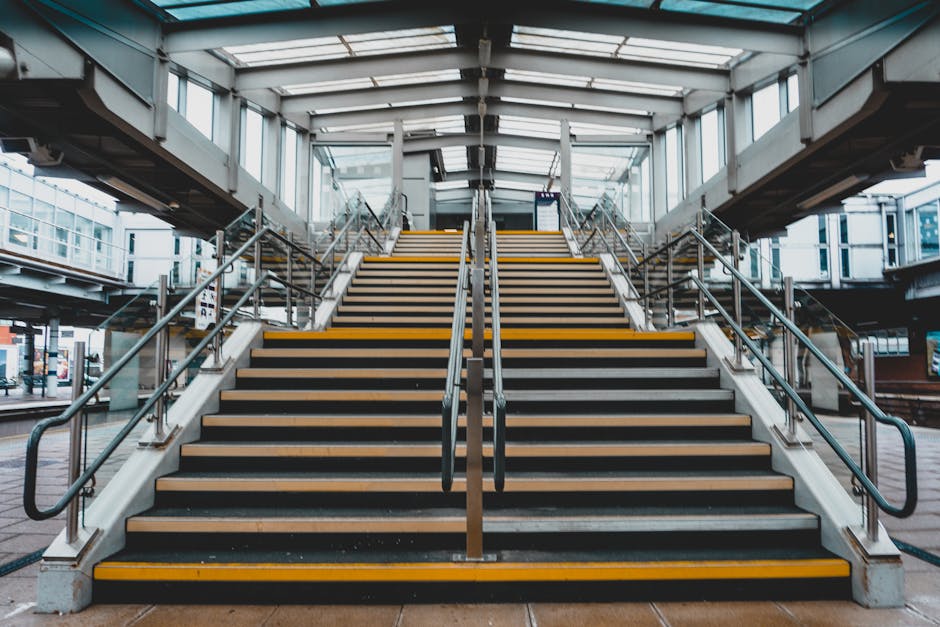
Victoria Station removal tips for tight staircases
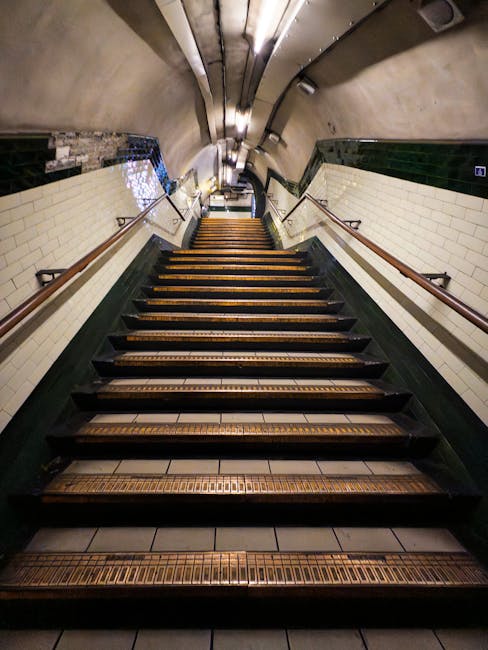
Moving through the Victorian terraces, converted flats, and awkward upper floors around Victoria Station can feel like a puzzle with heavy furniture in the middle of it. If you are dealing with narrow turns, steep steps, low ceilings, and a front door that barely opens wide enough for a sofa, you are not imagining it: this is one of those moves where the stairs do half the talking. The good news is that with the right planning, Victoria Station removal tips for tight staircases can turn a stressful lift into a controlled, safe move. This guide walks you through what matters, how to prepare, and where people usually get caught out.
Whether you are moving out of a compact flat, relocating a home office, or shifting a few stubborn pieces of furniture, the aim is the same: protect the item, protect the building, and protect your back. Simple enough in theory. In practice, not always. Let's get into the practical side.
- Why this kind of move matters
- How the process works
- Key benefits and practical advantages
- Who this is for
- Step-by-step guidance
- Expert tips for better results
- Common mistakes to avoid
- Tools, resources and recommendations
- Law, compliance, standards and best practice
- Options and comparison table
- Case study or real-world example
- Practical checklist
- Conclusion
- Frequently asked questions
Why Victoria Station removal tips for tight staircases Matters
Tight staircases change everything about a removal. A normal move is mostly about lifting and loading. A staircase move is about geometry, timing, communication, and nerve. One wrong angle and a wardrobe catches the bannister, a mattress folds awkwardly, or a chest of drawers chips the wall on the way down. It happens fast, usually with that little sucking-in of breath everyone in the hallway feels at once.
Near Victoria Station, the challenge can be even more pronounced because many buildings in and around central London were not designed for today's larger furniture or appliances. Stairwells may be narrow, landings tight, and ceilings lower than expected. You may also face shared entrances, coded access, and residents trying to squeeze past at the worst possible moment. To be fair, the move itself is only one part of the job. Getting the route right matters just as much.
Good removal planning helps with more than convenience. It reduces the risk of damage to the property, cuts the chance of injury, and can save a surprising amount of time. It also helps you decide whether the item should be dismantled, protected, stored temporarily, or moved by a different method. If you are already using flat removals or comparing support from removal services, the staircase is often the detail that decides the whole approach.
How Victoria Station removal tips for tight staircases Works
The basic idea is straightforward: measure, plan, protect, and move in the right order. But the order really matters. A good move starts long before anyone picks up a box. First comes a route survey. Then comes preparation of the item. After that, you decide whether it can be carried upright, tilted, wrapped, partly dismantled, or moved in stages by two or more people.
In practice, this usually means checking the width of the narrowest point on the stairs, the size of the landing, the position of handrails, and any pinch points created by doors or turns. A sofa may technically fit the staircase, but only if it can rotate at the halfway landing. A fridge may pass one flight and then get stuck under a low ceiling on the turn. That is why people often underestimate staircase moves; the problem is not always the stairs themselves, but the combination of steps, corners, and overhead space.
In a well-run move, you will usually see a few things happen in sequence:
- The team checks access from the front door to the van and from the property to the staircase.
- Large items are measured against the route, not just against the room.
- Fragile surfaces are wrapped and corners are padded.
- The item is turned, angled, or dismantled where needed.
- One person leads the move and others follow clear verbal instructions.
That sounds simple, but it is the difference between a neat removal and a noisy, slow shuffle that leaves marks on the wall and everyone a bit flustered. If you are moving a single bulky piece, a man and van option can be a sensible fit. For larger homes or multi-item jobs, a broader removals service is often more efficient.
Key Benefits and Practical Advantages
The biggest benefit is control. Tight staircases punish rushed decisions, while a measured approach gives you room to work safely. That may sound obvious, but in the middle of a move people often forget how quickly a heavy item can get away from them. One person slips, someone else twists awkwardly, and suddenly a straightforward lift becomes a problem.
There are some quieter benefits too. Proper planning can reduce the amount of dismantling required, limit the need for repeated attempts, and protect delicate finishes on both the item and the building. It also helps you move with more confidence. You will notice the difference when the team pauses for ten seconds to reset rather than forcing the issue. That tiny pause saves time later.
Here are the main advantages in plain English:
- Less damage: better wrapping and route planning reduce scuffs, dents, and scrapes.
- Fewer delays: measured moves avoid last-minute surprises on the stairs.
- Better safety: people can lift with proper posture and fewer sudden movements.
- Lower stress: everyone knows what to do and when to do it.
- More realistic decisions: you can spot early whether something needs dismantling or storage.
If you are comparing support options, it can also help to look at house removals for fuller moves or furniture removals when only selected items need shifting. For jobs that need especially careful handling, packing and unpacking services can take a surprising amount of pressure off the day.
Who This Is For and When It Makes Sense
This advice is for anyone moving through a tight stairwell near Victoria Station, but it is especially useful if you are dealing with flats above street level, converted period properties, basement-to-upper-floor moves, or any home where the stairs seem to have been designed by someone with a grudge.
It makes sense when:
- you have a sofa, wardrobe, bed frame, mattress, or fridge to move;
- the stairwell is narrow or has a sharp turn;
- the property has low ceilings or awkward landings;
- you need to protect the walls, banister, or flooring;
- you are moving in a time slot with limited access;
- you want to avoid injury and keep the day manageable.
Students moving into or out of shared accommodation often need this kind of planning, especially if the building has steep stairs and shared corridors. In those cases, a student removals service can be more sensible than trying to improvise with a borrowed hatchback and a bit of optimism.
Likewise, if your move is part of a business relocation, stairwell planning may be needed for archive boxes, office chairs, or small desks. That is where office removals or office relocation services can make life easier.
Step-by-Step Guidance
Below is the practical sequence I would use for a Victoria Station move involving tight stairs. It is not flashy. It just works.
1. Measure the item and the route
Measure the widest part of the item, then measure the narrowest parts of the staircase route: the staircase width, the landing width, the height under any overhead obstruction, and the door openings at both ends. Do not guess. A tape measure is far more honest than memory.
2. Identify the awkward points before moving day
Look for corners, radiators, light fittings, picture hooks, mirror edges, and anything that could snag or crack. If you live in a converted building, check whether the staircase turns in a way that forces a sofa to rotate mid-air. That detail alone can make or break the move.
3. Decide whether the item should be dismantled
Many items move better in pieces. Bed frames, large wardrobes, modular sofas, tables, and some desks are often easier to break down. Keep screws, bolts, and fittings in labelled bags. Obvious advice, maybe, but people still forget and then spend Saturday night hunting for a rogue Allen key.
4. Protect the building and the item
Use blankets, corner guards, tape that will not damage the finish, and floor protection where needed. Door frames, bannisters, and stair edges deserve special attention. A quick wrap can prevent a very expensive apology later.
5. Assign roles before lifting
One person should lead and call the movements. The others should follow the count. This avoids the awkward "left, no my left, your left" situation that everyone pretends to understand until the item is wedged halfway down the stairs.
6. Move slowly and reset often
If the item feels wrong at any point, stop and reset. Turning an item in a tight staircase is often safer than forcing it through in one go. A controlled pause is not failure; it is professional judgement.
7. Keep the exit path clear
Before the item leaves the building, make sure the hallway, pavement, and van loading area are clear. This is especially helpful near a busy station area where foot traffic and vehicles are unpredictable.
Expert Tips for Better Results
Experience teaches a few things that are hard to appreciate until you have tried, failed, and tried again. Here are the tips that matter most in real removals.
- Move the smallest items first. Clearing the route creates room for the larger pieces and reduces clutter.
- Take doors off only when needed. Sometimes this helps a lot; sometimes it creates more work than it saves.
- Use two blankets instead of one if corners are exposed. The second layer can make a big difference on sharp turns.
- Rotate furniture vertically only if the structure allows it. Not every item likes being stood up. Cheap flat-pack furniture can complain loudly and then split.
- Protect the stair nosings. These edges get battered quickly on tight moves.
- Watch the lighting. Dim halls make depth judgement worse, especially when you are tired.
If you are not sure whether an item will fit, ask for a route check and a realistic view of the access, not just a price. The cheapest quote is no help if the team arrives and discovers the staircase is more like a ladder. For many people, a combination of removal van transport and a properly planned carry is enough. For bigger or heavier items, a moving truck may be the better choice, provided access outside the property is workable.
Common Mistakes to Avoid
Most staircase move problems come from the same handful of mistakes. The annoying part is that they are usually avoidable.
- Measuring the room but not the staircase. The item has to travel through the route, not just live in the room.
- Forcing a piece around a turn. If it does not turn cleanly, stop and re-approach it.
- Ignoring the landing size. Many items get stuck on the landing, not on the steps.
- Not protecting walls and bannisters. One scrape can be harder to fix than the move itself.
- Underestimating weight distribution. A wardrobe that feels manageable in the room can feel completely different on stairs.
- Trying to do it with too few people. Sometimes two people is enough. Sometimes it is not. Be honest about that.
Another common one: assuming the item will behave the same way going down the stairs as it did coming up. It usually won't. Gravity has opinions.
If the move becomes more complex than expected, some people choose a temporary holding solution with storage so the stair move can be broken into a safer two-stage process. That can be a lot less stressful than rushing a difficult item through a tricky building on the same day.
Tools, Resources and Recommendations
You do not need a warehouse of equipment, but the right basics make a real difference. A few items are worth having on hand before moving day.
| Tool or item | What it helps with | Why it matters on tight stairs |
|---|---|---|
| Measuring tape | Route and item measurements | Stops guesswork before the lift begins |
| Removal blankets | Surface protection | Reduces scuffs on walls, bannisters, and furniture |
| Straps or carrying aids | Weight control | Helps balance awkward items and improves grip |
| Corner protectors | Edge protection | Useful where turns are especially tight |
| Labels and bags for fixings | Assembly later | Prevents missing parts after dismantling |
On the service side, it is worth looking at removal companies if you want comparison points, or home moves if the staircase challenge is part of a wider residential relocation. For bulky or delicate pieces, the right support can save time and reduce stress in a way that homemade planning simply cannot.
You may also find it useful to pair the move with packing and boxes for smaller items and furniture removals for the larger pieces. That split often makes the staircase side of the day much smoother.
Law, Compliance, Standards and Best Practice
For a move like this, the main concern is safe manual handling and sensible risk control. In the UK, employers and professional removal teams are expected to work in line with general health and safety duties, which means avoiding unnecessary risk, using suitable equipment, and not asking people to lift loads that are clearly unsafe. You do not need to become a legal expert to benefit from that principle. Just keep it practical.
Best practice usually means:
- planning the move in advance rather than improvising on the stairs;
- using enough people for the size and weight of the item;
- keeping walkways clear;
- wearing suitable footwear;
- protecting the property where contact is likely;
- stopping if the move becomes unsafe.
If you are hiring help, it is reasonable to ask about insurance, safety procedures, and how they handle difficult access. A reputable provider should be able to explain their approach in plain language. For more detail on the company's working standards, it is sensible to review their health and safety policy and insurance and safety information before you book.
That kind of transparency matters. Nobody wants a mystery on moving day.
Options, Methods, or Comparison Table
There is no single best way to handle tight-staircase removals. The right method depends on the item, the staircase, and how much risk you are willing to take on. Here is a simple comparison.
| Method | Best for | Strengths | Limitations |
|---|---|---|---|
| Carry in one piece | Smaller, lighter items | Fast, simple, less dismantling | Not suitable for awkward turns or bulky furniture |
| Partial dismantling | Wardrobes, beds, tables | Often solves tight turns and landings | Needs careful labelling and reassembly time |
| Two-person controlled carry | Mid-size items | Better balance and communication | May still be too limited for very tight stairs |
| Professional removal team | Whole-property moves or difficult access | Experience, equipment, planning, safety | Higher cost than DIY, though often better value overall |
| Storage-first approach | Staged moves and delayed access | Reduces pressure on moving day | Requires an extra step and extra planning |
For many people, the sweet spot is a professional service with a realistic plan. If the move is urgent, same day removals can be useful when access is straightforward enough to support fast execution. If the item is particularly heavy or specialised, such as a piano, it is wiser to use a dedicated piano removals service rather than taking a gamble. Tough stairs and a heavy piano do not make for a charming afternoon.
Case Study or Real-World Example
Here is a realistic scenario. A couple in a flat near Victoria Station needed to move a three-seater sofa, a mattress, and a dining table down a narrow staircase with a sharp turn at the top. At first glance, the sofa looked impossible. It was only after measuring the route that they realised the real issue was not the stair width, but the combination of the turn and the low ceiling above the landing.
They broke the dining table down before the move, removed the sofa feet, wrapped the corners, and cleared the hallway in advance. The team carried the mattress first, which created breathing room on the stairs. Then they rotated the sofa at the landing and took it down on its side with one person guiding from below. No drama, no wall damage, no shouting. Just a controlled process. A bit dull, really, which is exactly what you want on moving day.
What made the biggest difference was not brute strength. It was preparation. That is the pattern you see again and again with tight staircase moves. The people who measure early, dismantle wisely, and protect surfaces usually end up with the least stress.
Practical Checklist
Use this checklist before moving day. It is short on purpose.
- Measure the item and the full staircase route.
- Check landings, turns, ceiling height, and door widths.
- Confirm whether any item needs dismantling.
- Label screws, fittings, and small parts.
- Protect walls, bannisters, floors, and corners.
- Clear hallways and entrance paths.
- Wear suitable footwear with good grip.
- Agree who leads the lift and gives instructions.
- Decide whether storage is needed for staged moving.
- Confirm insurance and safety arrangements if hiring help.
If your move includes a wider relocation, it can help to review pricing and quotes early so you know what level of service fits your budget and timing. For larger household moves, many readers also check house removalists when they want more hands-on support and route planning.
Conclusion
Victoria Station removal tips for tight staircases are really about one thing: making a difficult move feel manageable. Measure properly, protect the route, dismantle when needed, and never force an item through a stairwell just because it almost fits. That "almost" is where damage and stress usually live.
When the stairs are awkward, a calm plan beats rushed effort every time. And if the job feels too tricky to handle alone, that is not a failure. It is just a sensible moment to bring in help that understands narrow access, careful lifting, and the realities of London buildings. The right approach saves time, money, and a fair bit of elbow grease too.
Get a free quote today and see how much you can save.
Move carefully, keep the route clear, and give yourself the best chance of a smooth day. Small wins matter on moves like this.
Frequently Asked Questions
How do I know if my sofa will fit down a tight staircase near Victoria Station?
Measure the sofa at its widest point, then compare that with the narrowest part of the staircase and any turns or landings. Remember that angle matters as much as width. A sofa that looks too large head-on may still pass if it can be tilted and rotated carefully.
Should I dismantle furniture before moving it down narrow stairs?
Usually, yes if the item is large, heavy, or awkwardly shaped. Taking off legs, removing doors, or separating modular parts can make the move much safer. The key is to keep all fittings labelled so reassembly later does not turn into a scavenger hunt.
What is the safest way to move heavy items on a steep staircase?
Use enough people, move slowly, keep communication clear, and protect the building with blankets or padding. If the item feels unstable at any point, stop and reset. Rushing is the thing that causes most problems.
Do I need a professional mover for tight staircase removals?
Not always, but professional help is often worth it when the item is bulky, fragile, or especially heavy. It is also helpful if the staircase has a sharp turn, limited landing space, or low clearance. In those situations, experience matters a lot.
How can I protect walls and bannisters during a staircase move?
Use padded blankets, corner guards, and floor protection where the item is likely to brush against surfaces. Keep one person focused on the item and another watching the clearance points. A few minutes of protection can prevent a lot of repair work later.
What should I check before booking a removals service for a flat near Victoria Station?
Check whether the team understands access issues, insurance, timing, and route planning. Ask how they handle narrow staircases and whether they can assess the move before the day. It is also sensible to look at practical pages such as flat removals and removal services to see what level of support fits your situation.
Is it better to move a big item up or down tight stairs first?
There is no universal rule, but smaller items are usually moved first to clear space and reduce clutter. For the large item itself, the safest direction depends on the shape of the staircase and the item's balance point. A good team will decide this after checking the route.
What if the item gets stuck on the landing?
Stop immediately and re-plan the angle. Most items get stuck because the landing is smaller than expected or the turn is tighter than the room suggested. Forcing it will usually make things worse. This is where calm communication saves the day.
Can I use a storage option if the staircase is too difficult?
Yes, and sometimes that is the smartest decision. Temporary storage lets you break the move into smaller stages and avoid forcing difficult items through an unsafe route. It is especially useful if keys, access, or timing are not lining up neatly.
What kind of insurance should I ask about for a staircase move?
Ask whether the service includes cover for accidental damage and how claims are handled. You do not need every technical detail, but you should feel clear about what is protected. If a company has a straightforward insurance and safety explanation, that is usually a good sign.
How far in advance should I plan a move with tight stairs?
The earlier, the better. Even a short planning window helps you measure, dismantle furniture, and decide whether you need extra hands or storage. If the move is urgent, same-day support may still be possible, but you will want to keep expectations realistic.
What is the biggest mistake people make with tight staircase removals?
They assume the item will behave like it does in an open room. It won't. The staircase changes the angle, the balance, and the amount of control you need. Once you accept that, the move gets a lot easier to manage.